Monday · Open until 8 p.m. · Iberville and Saint-Jean
FrançaisOrthodontic insurance: understanding your coverage in Quebec
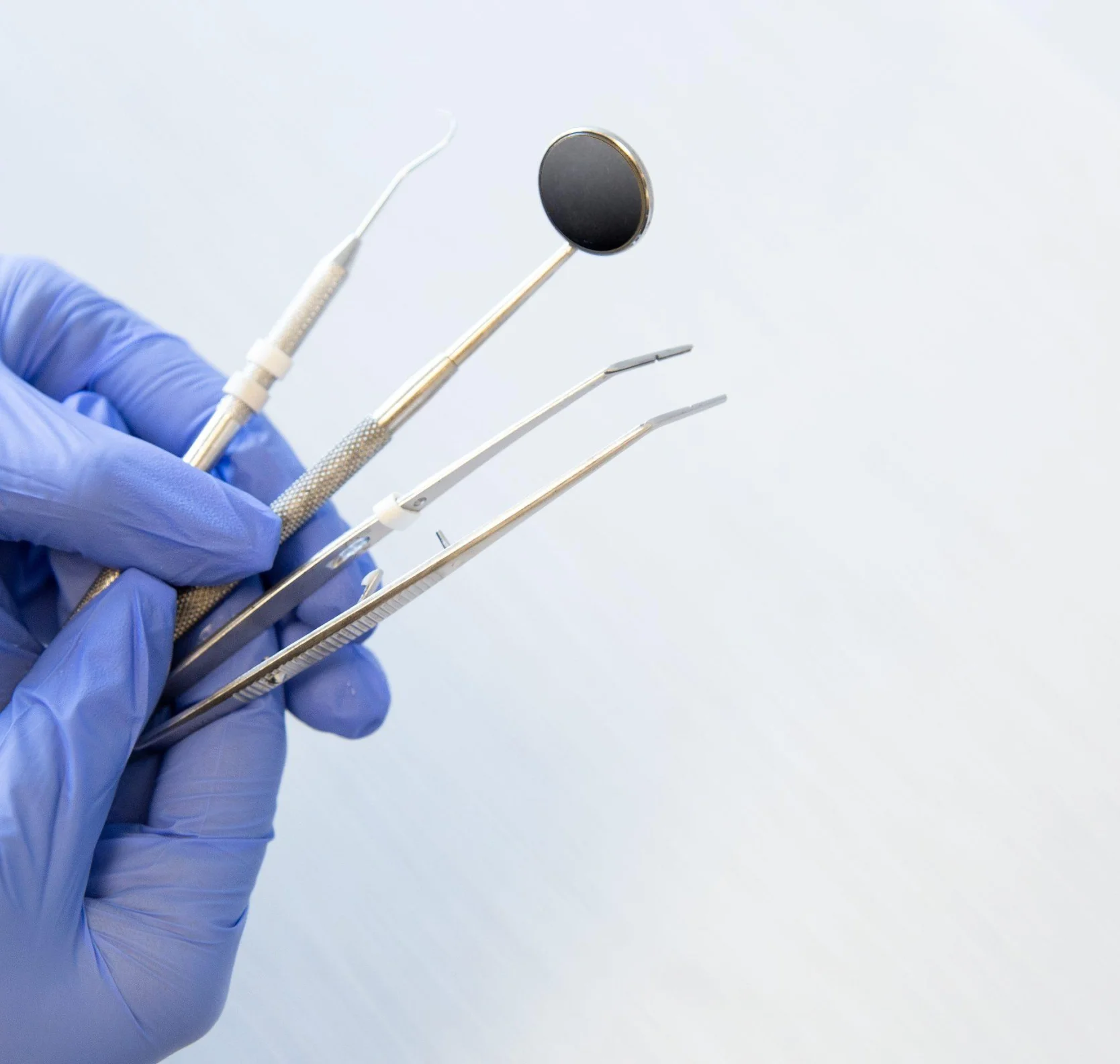

Undertaking treatment to straighten your teeth almost always raises the same concerns: how much will it cost, and what will my insurance actually reimburse?
In Quebec, most orthodontic care is not covered by the public plan, but several private and group plans reimburse part of it, provided you are familiar with the terms of coverage.
This guide explains what orthodontic insurance usually covers, the role of public and private plans, how reimbursement works and concrete ways to reduce the bill before starting treatment.
What does orthodontic insurance cover in Quebec?
Orthodontic insurance does not cover all care in the same way: certain services and devices give entitlement to benefits, while the extent of coverage varies from one plan to another.
Orthodontic care generally covered
Orthodontic care generally forms a separate service from the basic dental contract. Metallic or transparent braces and aligners are among the eligible devices, reimbursed at a percentage of the fees rather than in full. These services are in addition to routine care such as cleanings, x-rays or prostheses, without ever replacing them.
Treatments often excluded from coverage
Unlike treatment deemed admissible, purely cosmetic orthodontics is frequently excluded from coverage. Fee overruns, treatment repeats and certain high-end devices often remain the responsibility of the patient, depending on the conditions of the contract. Each case therefore depends on the precise clauses of the plan, hence the importance of reading them before committing.
Coverage for children and adults
When a plan regulates orthodontics, it often reserves coverage for each dependent under the age of 18. Treatments related to dentistry for children are planned years in advance, to support growth. After this age, several contracts exclude adults, even if a growing number of plans now include them and extend protection for oral health throughout life.
These distinctions apply especially to private plans; It remains to be seen what the public system actually covers.
Does the public plan cover orthodontics?
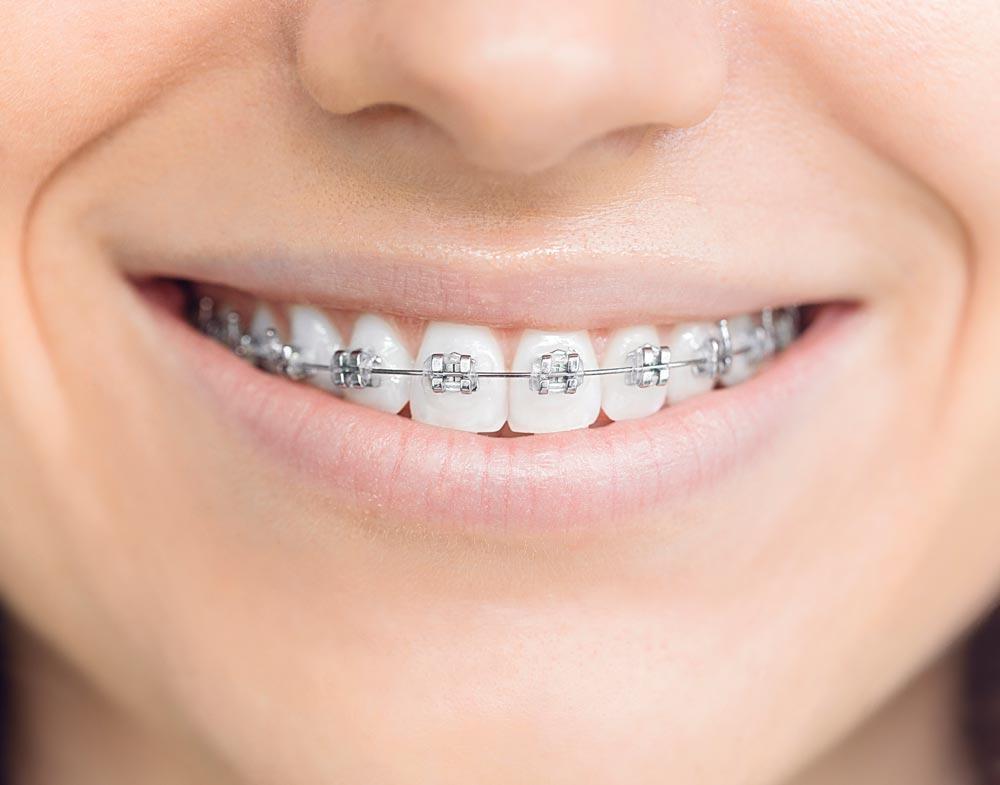
In Quebec, the public health insurance plan plays a very limited role in orthodontics, except for rare medical cases, which pushes the majority of people to rely on private insurance. This is the case across Canada: 64.6% of Canadians had dental insurance in 2018, while 35% had no coverage in 2022, leaving many families without a safety net for their dental health care.
What the RAMQ reimburses for orthodontic care
RAMQ, Quebec's health insurance plan, does not cover orthodontic services in the vast majority of situations. Its insured dental services are limited to certain care deemed essential, and public plans do not cover orthodontic treatments, except in exceptional cases.
The place of the Canadian Dental Care Plan (CDCP)
Because the Quebec public covers so little, the Canadian Dental Care Plan (CDCP), financed by the Government of Canada, is taking on a growing role, without funding cosmetic orthodontics. Its eligibility is based on strict conditions: a family income below a certain threshold and the absence of private insurance. A co-payment applies when adjusted net family income is between $70,000 and $89,999, and the plan expands to adults in 2026. To benefit from it, you must submit an application and confirm your eligibility, valuable help when no private coverage exists.
Medical cases eligible for treatment
When an anomaly arises from a serious medical problem, the situation changes. Certain severe conditions, such as cleft palate, may entitle you to partial coverage for medical care, even if health insurance excludes routine orthodontics. These cases remain rare and require a complete evaluation of the file before a treatment is recognized as admissible.
Once the marginal role of the public has been ruled out, the real question remains for most patients: how does reimbursement by private insurance work in practice?
How does reimbursement for orthodontic care work?
Reimbursement for orthodontic treatment does not work like that for a simple cleaning: the insurer pays part of the costs up to a maximum amount, and the rest remains your responsibility. Understanding this mechanism helps to predict what you will actually have to pay over the life of the contract.
The percentage reimbursed and the lifetime ceiling
Reimbursement is generally calculated as a percentage of eligible fees, often based on a dental association's fee schedule, and not on the entire bill. To this percentage is added a lifetime ceiling per person: once this maximum amount is reached, the insurer stops reimbursing, regardless of the remaining care. This ceiling applies for the entire duration of the contract, hence the importance of checking the exact percentage and the limit provided for in your plan.
What are the differences between group and individual insurance?
Unlike individual insurance, group insurance offered by an employer often includes orthodontics in its superior coverage, beyond the basic plan. Individual insurance is taken out separately and offers less generous orthodontic options, when they exist. Before choosing, compare what each company plans for orthodontics, as two plans may seem similar and cover very different care.
Predetermination of fees before treatment
Make a predetermination request to your insurer before undertaking treatment: this step reveals the exact amount that the company will agree to reimburse according to the conditions of your contract. The treatment plan, often established following a complete examination, serves as the basis for this estimate, much like a dental examination helps to frame future care. This way you avoid unpleasant surprises and plan your budget by knowing your real share.
It remains to put these reimbursements into perspective with the real price of a treatment: it is the difference between the two which determines your financial effort.
The cost of orthodontic treatment before reimbursement
Orthodontic treatment represents a significant cost, running into thousands of dollars before any reimbursement. Understanding this amount, and how it varies from case to case, helps you measure how useful insurance really is and compare your options.
The cost of metal and transparent braces
The cost of braces depends mainly on the material chosen. Metallic braces remain the most affordable option, while transparent braces, which are more discreet, increase the amount. In both cases, you have to budget several thousand dollars in Quebec, a cost which generally remains below that of the aligners.
The cost of Invisalign type aligners
Compared to traditional braces, Invisalign-type aligners generally cost more: these custom devices require extensive digital planning. A well-planned Invisalign treatment also allows you to anticipate the number of steps, and therefore the budget to be planned. The cost increases with the number of aligners and the complexity of the file, but many patients choose this option for its discretion.
What influences the final amount of your bill
Several factors vary the final amount of your bill, well beyond the type of device. The result depends on the following combination:
Complexity of the case: a slight misalignment costs less than a complete correction.
Duration of treatment: spread over several months, even a year or more, fees accumulate over time.
Appliance type: metal braces, clear braces or aligners.
Retention follow-up: retainers extend follow-up after treatment.
Ultimately, two people can pay very different amounts for a similar goal, hence the value of a personalized estimate.
Faced with a bill that can quickly climb, the real question becomes: how to reduce these costs and get the most out of your insurance?
How to reduce your costs and maximize your reimbursement?
Reducing what you have to pay out of pocket requires a few concrete levers, which go well beyond the simple choice of insurance. By knowing your options and the conditions of your contract, you can lower the actual amount payable by you and obtain more tailored financial assistance.
Check the conditions of your plan before subscribing
Before subscribing to a plan, read its conditions carefully rather than relying on the percentage advertised. Check the lifetime limit, the age limit for coverage, the percentage reimbursed and the waiting periods, because these terms completely change the real value of the protection. A generous plan on paper can turn out to be restrictive once these clauses are met.
Combine insurance, financing and payment methods
By pairing your insurance with 0% financing and spread payments, you turn a large amount into manageable payments. Votre Dentisterie also offers Flexiti financing at 0% interest, which spreads the uncovered portion at no additional cost. Combined with the base reimbursed by the insurer, these options significantly reduce what you have to pay at once.
Questions to ask your insurance company
A few targeted questions to your insurance company are enough to remove any ambiguity before committing. To find out exactly what is reimbursed, ask the following questions about the terms of your orthodontic coverage:
Does the plan cover orthodontics, and at what percentage?
What is the maximum amount reimbursed for life?
Is there an age limit to qualify?
Is there a waiting period before the first reimbursement?
With these answers in hand, you can compare offers on a clear basis and avoid unpleasant surprises when it comes time to claim.
Once these reflexes have been acquired, all that remains is to take action with a team that knows these procedures well.
Plan your orthodontic care with Votre Dentisterie
Between limited public plans, insurance ceilings and the real cost of treatment, planning your orthodontic care in Quebec requires clear support. Votre Dentisterie establishes a personalized treatment plan, accepts the CDCP, offers Flexiti financing at 0% and welcomes you in its clinics in the Iberville and Saint-Jean sectors. Book a consultation today at 450-305-6505 to learn about your coverage and options before you get started.
Frequently asked questions about orthodontic insurance
Are braces covered by dental insurance?
Often yes, but rarely in full. Braces are generally reimbursed through an orthodontic benefit separate from the basic dental contract, at a percentage of the fees and according to plan limits.
Until what age is a child covered for orthodontics?
Most plans limit coverage to dependents under the age of 18. Some policies go further and include adults, so always check the age limit specified in your policy.
Is Invisalign reimbursed like traditional braces?
In many cases, yes: Invisalign is treated like other orthodontic treatments. However, some plans exclude it when it is considered purely cosmetic, hence the importance of confirming its coverage before starting.
What should I do if no insurance covers my orthodontics?
Several options exist even without insurance. You can check your CDCP eligibility, spread the cost with 0% financing and graduated payments, or combine these solutions to make treatment affordable.
Can we claim orthodontic expenses on taxes?
Yes, in some cases. Eligible medical expenses, including orthodontics, may qualify for a tax credit; keep all your receipts and validate your situation with a tax professional.
Does the CDCP cover orthodontic treatments?
The CDCP does not finance aesthetic orthodontics and reserves access to people without private insurance whose family income is below the set threshold. It can help in certain eligible cases, but does not replace private coverage for orthodontics.
Does insurance reimburse the entire orthodontic treatment?
Rarely: the insurance reimburses part of the eligible fees up to a lifetime ceiling, and the rest remains your responsibility. Check the reimbursed percentage and the limit provided in your contract to estimate your actual share.
Is there a waiting period before being reimbursed for orthodontics?
Several plans impose a waiting period before reimbursing orthodontic care, in addition to a lifetime ceiling and an age limit. Check these terms in your contract before subscribing, as they change the real value of the protection.
Plan your orthodontic care with Votre Dentisterie
Other articles

Temps de guérison d'un implant dentaire : de la pose à la couronne
Read the article
Implant dentaire ou couronne : comment faire le bon choix?
Read the article
Aligneurs ou broches en orthodontie : lequel choisir?
Read the article
Canadian Dental Care Plan: eligibility, covered services and enrolment
Read the article
Get started today. Pay at your own pace.
With Dentoplan, get a plan adapted to your situation. Rapid approval, directly in the clinic.