Monday · Open until 8 p.m. · Iberville and Saint-Jean
FrançaisDental implant costs in Quebec in 2026
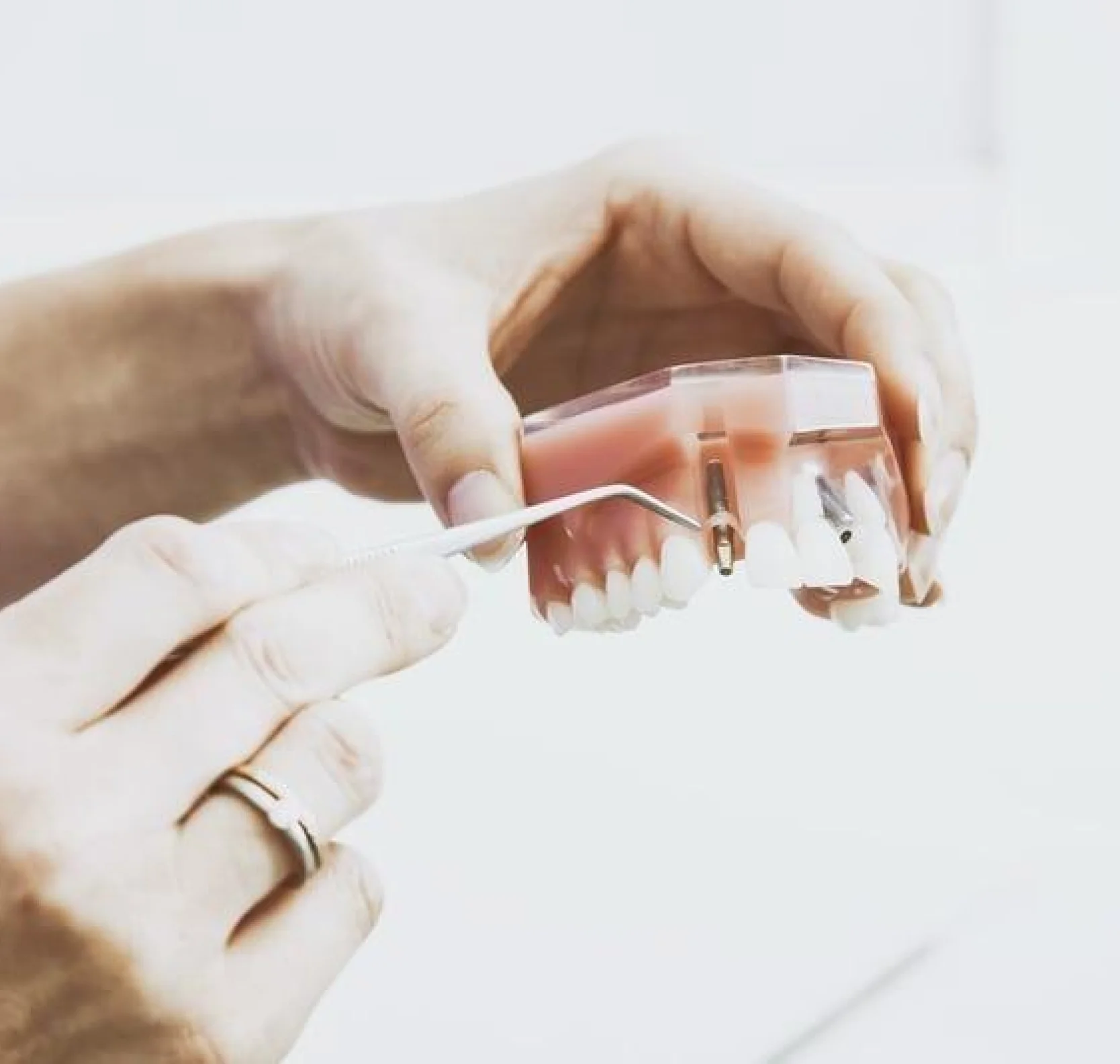

In 2026, a complete dental implant, which combines the titanium implant, the abutment and the crown, is generally between $31,000 and $6,000 per tooth in Quebec. The exact cost depends on the type of restoration you need and the complexity of your case.
The solution chosen, whether it is a single tooth, several teeth or a complete mouth, weighs the heaviest in the bill. The table below summarizes the ranges by type of restoration.
Single implant (1 tooth): from $3,000 to $6,000
Bridge on implants (several teeth): variable depending on the number of implants required
Fixed implant-supported prosthesis (full mouth): from $10,000 to $25,000
How much does each type of dental implant restoration cost?
Before comparing the figures, remember that the price depends first of all on the alternative solution chosen. Whether you need to replace one tooth or your entire mouth, each option has its own prosthesis and budget.
How much does a single implant with crown cost?
A single dental implant replaces a single tooth by combining 3 pieces: the titanium root, the abutment and the crown.
Expect $31,000 to $6,000 per tooth for this restoration, with the crown material varying the total. The result replicates the appearance and function of a natural tooth.
How much does an implant bridge cost for multiple teeth?
Compared to an implant placed for each tooth, the implant bridge replaces several teeth using a reduced number of screws. This approach, similar to a traditional dental bridge , reduces the cost per tooth as the number of teeth increases. The final price therefore depends on the number of implants required to support the bridge.
Fixed implant-supported prosthesis
To restore a complete mouth, the fixed implant-supported prosthesis is anchored directly in the jaw using several implants. This investment reaches $1,020,000 to $2,550,000 depending on the complexity, but offers stability that the removable prosthesis does not provide. In return for a higher cost, it remains permanently fixed and better preserves daily comfort.
What does the price of a dental implant include?
The price of a dental implant includes several costs that correspond to the stages of treatment. Rather than a single amount, the bill adds up the components placed in the mouth and the clinical procedures surrounding them. Knowing what each treatment plan covers helps compare quotes on a fair basis.
The titanium implant and the abutment
The implant itself is an artificial titanium root that the dentist inserts into the jawbone during placement. The abutment, screwed onto this implant, serves as an anchor point for the future tooth. Together, these two pieces form the foundation on which the entire restoration rests.
The implant crown
The implant crown is the visible part that replaces the tooth: its price varies depending on the material chosen, for example porcelain or zirconia. A zirconia crown generally offers better aesthetics and a more natural appearance, but is more expensive. The choice of material therefore influences both the quality of the result and the corresponding portion of the bill.
Examination, 3D imaging and planning
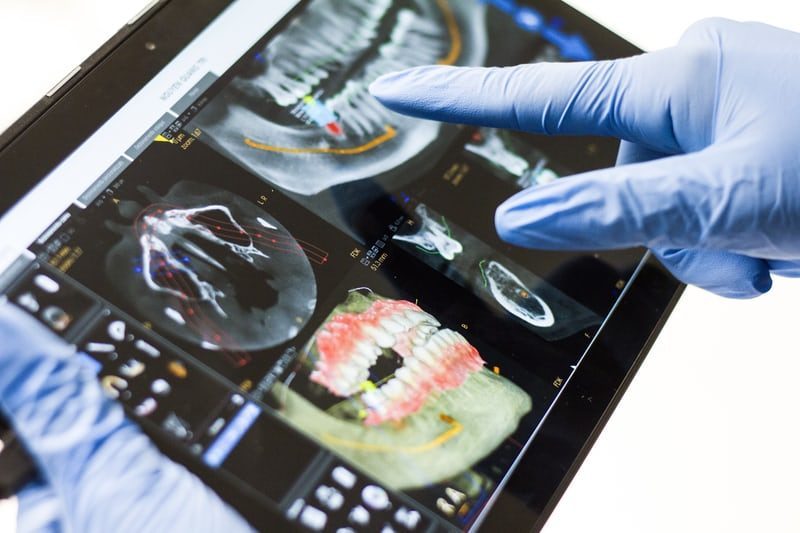
Before any placement, an examination and 3D imaging allow the dentist to plan the procedure precisely. This dental examination and 3D scan evaluate the bone volume and the position of the nerves, which makes treatment safer. The cost of this planning is added to the quote, but conditions the success of the consultation and treatment.
What factors cause the price of a dental implant to vary?
Beyond the components, several clinical factors cause the price of a dental implant to vary from one patient to another. Each case presents an anatomy and particular needs which guide the plan chosen. This explains why two estimates may differ for similar treatment.
Is bone grafting necessary before placement?
Bone grafting is not systematic: it is only necessary when the jaw bone lacks height or density. On imaging, the dentist checks this point and reserves reconstruction surgery for cases where bone grafts are truly necessary. When added, this intervention lengthens the timetable and increases the final amount.
How does the number of teeth to be replaced influence the price?
The number of teeth to replace remains one of the most direct levers on price. As this number increases, the treatment plan becomes more complex, but the cost per tooth tends to decrease for an equivalent volume. Replacing several teeth in a single plan therefore often optimizes the overall budget.
Dentist expertise and technology
Finally, the expertise of the dentist and the technology of the clinic weigh into the equation. A practitioner trained in implantology, like Dr. Duy K. Nguyen, plans complex cases with advanced imaging that makes every step safe. This quality of workmanship is reflected in the price, but reduces the risk of costly complications.
How to reduce the cost of a dental implant in Quebec?
Reducing the cost of a dental implant requires a few concrete and easy-to-activate levers. By combining financing, insurance and public programs, you make treatment significantly more affordable. Here are options to explore before setting your plan.
Financing
Some clinics offer financing for your dental care. For example, Votre Dentisterie offers DentoplanFlexiti financing at 0% interest to spread the bill over time. You repay in predictable monthly installments, with no added interest during the agreed period. This financing allows you to start treatment immediately, without dipping into your savings.
Insurance and the tax credit for medical expenses
On the insurance side, many private contracts reimburse a portion of the treatment, especially crown, depending on your coverage limits. Dental care such as implants are also eligible medical expenses, which you can declare for the portion that exceeds the applicable threshold of your net income. Keep your receipts, as this declaration can reduce the true cost at tax time.
The Canadian Dental Care Plan (CDCP)
Reserved for eligible households according to the federal family income threshold, the Canadian Dental Care Plan covers part of dental health care, excluding implants. Votre Dentisterie welcomes patients eligible for this federal program and guides them through their procedures. Checking your eligibility early allows you to integrate this help directly into your treatment plan.
Plan your dental implant with Votre Dentisterie
To find out the precise cost of your dental implant, book a free initial consultation. Dr. Duy K. Nguyen, trained in implantology, assesses your situation and designs a plan tailored to your goals and budget.
Our clinics in Iberville and the Saint-Jean sector welcome you nearby, and you can make an appointment online or by phone at 450-305-6505. Take the first step toward a complete smile today.
Frequently asked questions about the price of dental implants
Is a dental implant covered by insurance in Quebec?
Many private insurance companies reimburse a portion of the treatment, especially the crown, depending on the limits of your contract. The RAMQ does not cover implants for adults, but the tax credit for medical expenses can reduce the unreimbursed portion.
What is the price difference between an implant and a dental bridge?
The dental bridge has a lower initial cost because it does not require surgery. The implant requires a higher investment initially, but its superior durability often reduces costs in the long run.
How much time should be allowed for implant placement?
It generally takes several months between implant placement and the final crown. This delay allows the bone to fuse with the titanium root, a step essential to the solidity of the result.
Is bone grafting always necessary?
No, bone grafting is only necessary when the volume of bone is insufficient to anchor the implant. 3D imaging determines whether this step is required in your case.
Is it more beneficial to replace several teeth at the same time?
Yes, grouping the replacement of several teeth into the same plan often optimizes the budget. The cost per tooth tends to decrease for the same volume, because certain steps are shared.
How long does a dental implant last?
A titanium dental implant can last several decades, or even a lifetime, when hygiene and monitoring are rigorous. The crown attached on top wears out more quickly and may require replacement after several years.
Does the price of a dental implant include follow-up appointments?
Postoperative follow-up is often part of the initial treatment plan, but modalities vary from one clinic to another. Check what your estimate covers before placement to avoid unexpected costs.
Why does an implant cost more than a crown alone?
The implant requires surgery, titanium components and imaging planning, whereas a crown alone replaces only the visible part of the tooth. This difference in clinical procedures explains the price difference between the two solutions.
Plan your dental implant with Votre Dentisterie
Other articles

Temps de guérison d'un implant dentaire : de la pose à la couronne
Read the article
Implant dentaire ou couronne : comment faire le bon choix?
Read the article
Aligneurs ou broches en orthodontie : lequel choisir?
Read the article
Canadian Dental Care Plan: eligibility, covered services and enrolment
Read the article
Get started today. Pay at your own pace.
With Dentoplan, get a plan adapted to your situation. Rapid approval, directly in the clinic.