Denture repair takes a different form depending on the breakage: a fractured complete denture, a broken tooth or clasp on a partial denture, a relining, or an implant-supported denture to be evaluated. The type of denture and the condition of the pieces determine the work to be done in the laboratory.
Broken or cracked complete denture
A broken complete denture most often fractures into 2 pieces, right in the middle of the base. The repair consists of repositioning the pieces and refixing the base with dental quality resin, laboratory work which is organized once the breakage has been evaluated in the clinic.
Bring all the pieces to your appointment, even if the denture is cracked rather than separated. A very worn resin or a denture that always breaks in the same place sometimes indicates that it is better to replace it.
Broken tooth or clasp on a partial denture
Unlike a fractured base, a loose tooth or a broken clasp remains a localized breakage. On a partial denture, the intervention is limited to replacing the tooth or redoing the metal clasp, without redoing the entire appliance. Adding a tooth is also possible when a natural tooth has been extracted since the denture was manufactured. A broken tooth at the front is visible immediately, so this repair serves as much to restore the smile as to achieve a natural aesthetic result.
Unstable denture requiring relining
An unstable denture that slips while eating or speaking is not necessarily broken. When the gums and bone remodel over time, the bearing surface no longer corresponds to the appliance: relining recoats this surface with a new layer of resin. A lighter fit corrects painful pressure points and can improve comfort without affecting the rest of the denture.
Damaged implant-supported denture
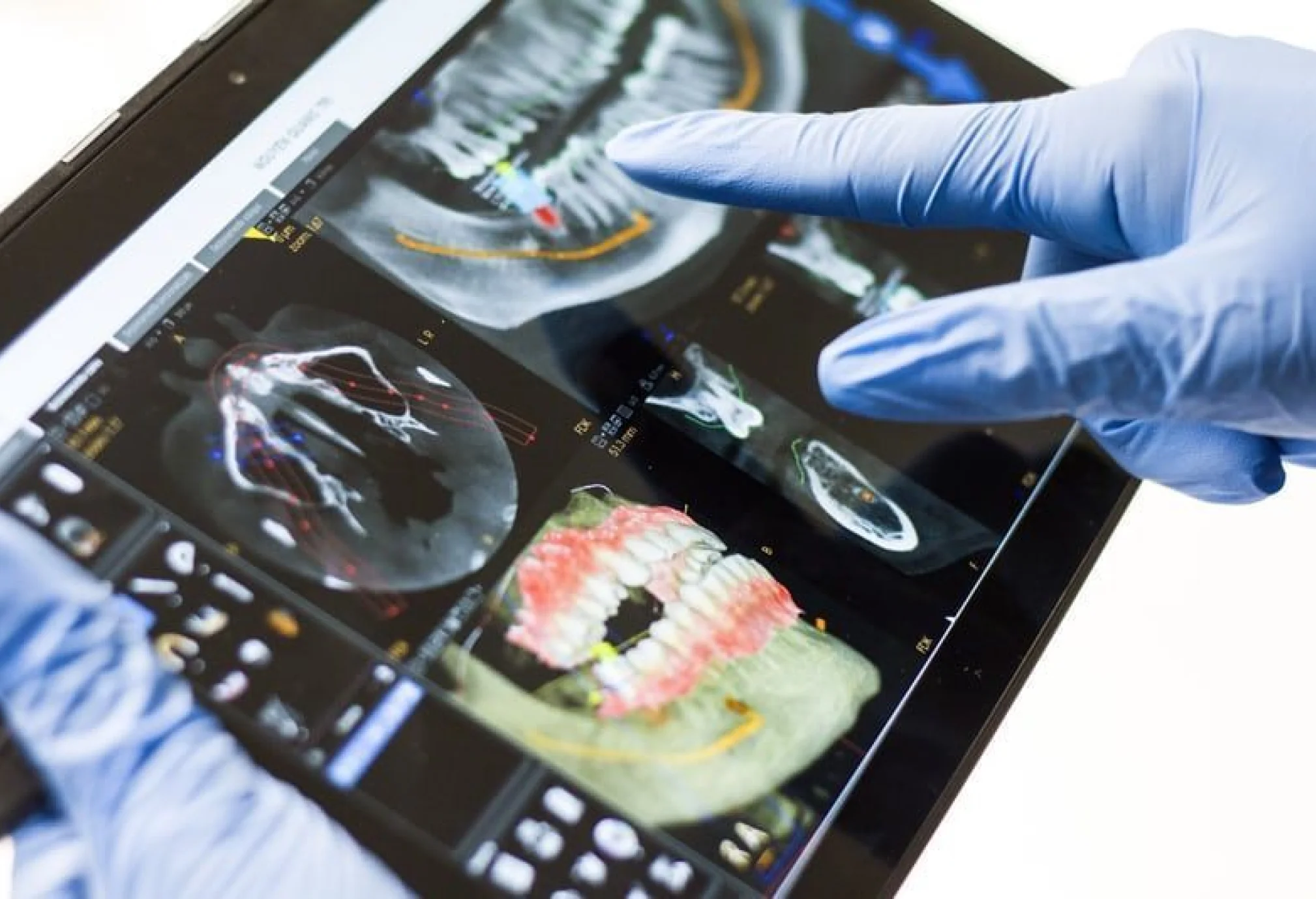
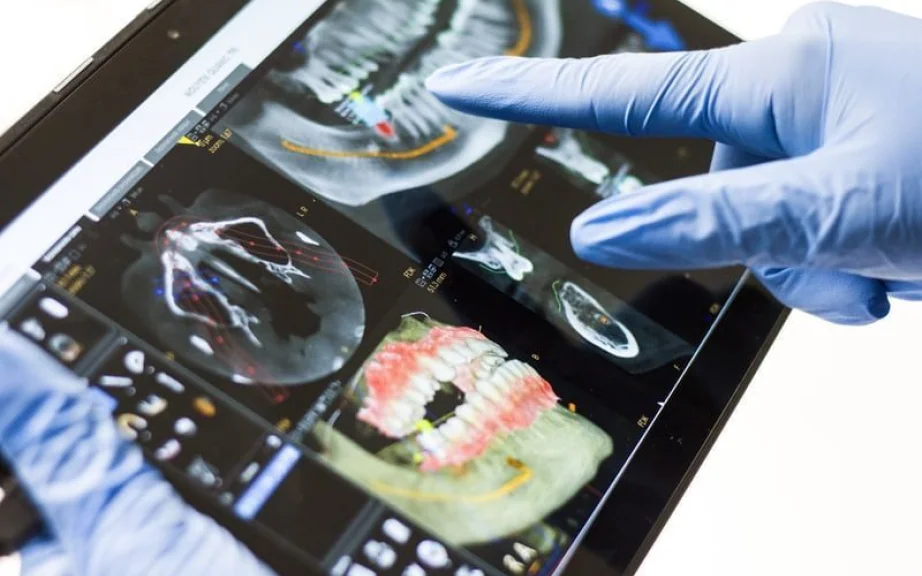
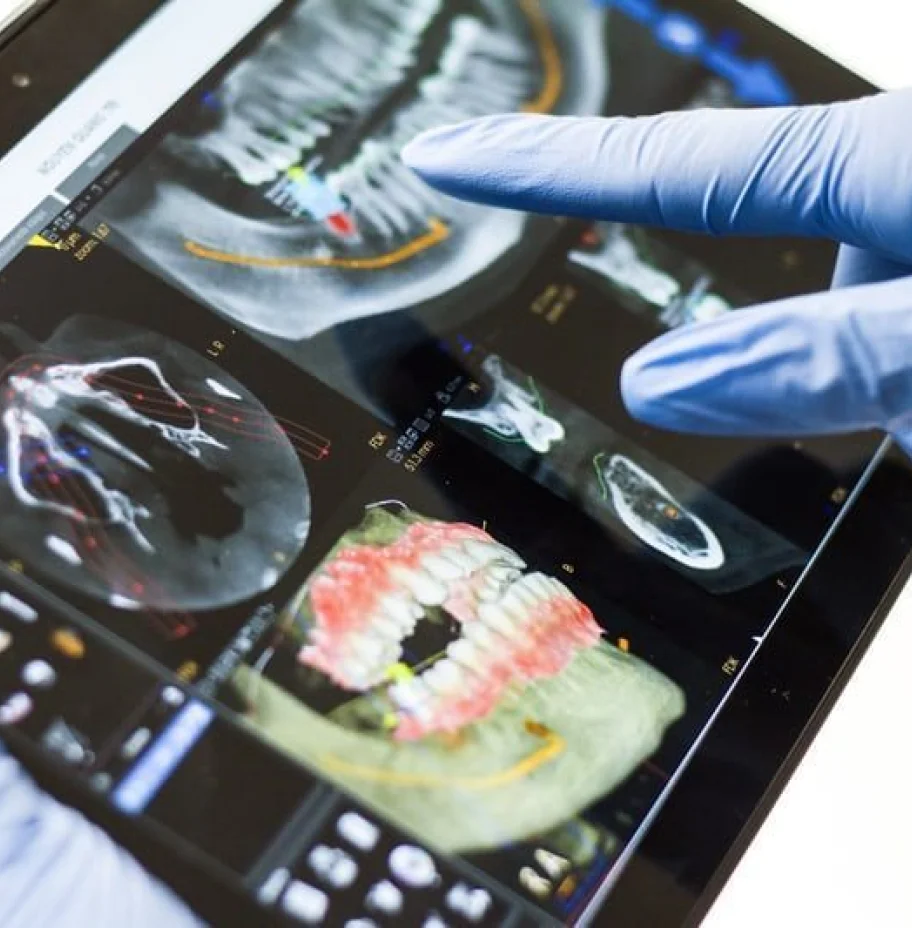
Have a damaged implant-supported denture evaluated before rehandling it yourself. The breakage can affect the attachment bar, a fixing screw or the implant itself, and forcing on the part risks making the problem worse. As an implant-supported denture is attached to artificial roots placed in the bone, the dentist checks the condition of the implants and surrounding tissues before deciding what to repair. Each case is decided after the clinical evaluation, which therefore comes before any repair.